
October 1, 2026
A resale certificate for a unit at Bellevue Towers used to be a formality. Pull the financials, confirm the dues, check for pending assessments, done. As of this year, that same document can include a paragraph that didn't exist for this building twelve months ago: a formal disclosure under RCW 64.90.640 that the association does not have a current reserve study, followed by a warning about the risks that creates for the buyer.
Nothing changed about the building. What changed is the law that decides whether its homeowners association has to do the paperwork at all.
Washington's Uniform Common Interest Ownership Act, known as WUCIOA, took effect on July 1, 2018. Any condo or homeowners association formed after that date has always had to follow its reserve study rules: identify major building components, estimate their remaining life and replacement cost, and fund a plan to pay for them. Associations formed before that date could choose to opt in, but nothing forced them to.
That gap closed on January 1, 2026. A bill signed the year before, ESSB 5129, extended WUCIOA's reserve study requirement to every common interest community in the state, regardless of when it was formed. The relevant statute, RCW 64.90.545, now reaches associations that spent years operating under the older Washington Condominium Act with no obligation to produce a formal study.
For a lot of Bellevue's downtown skyline, that's not a small technicality. It's the difference between a building that has been quietly exempt for a decade and one that now has a compliance deadline it may not have noticed yet.
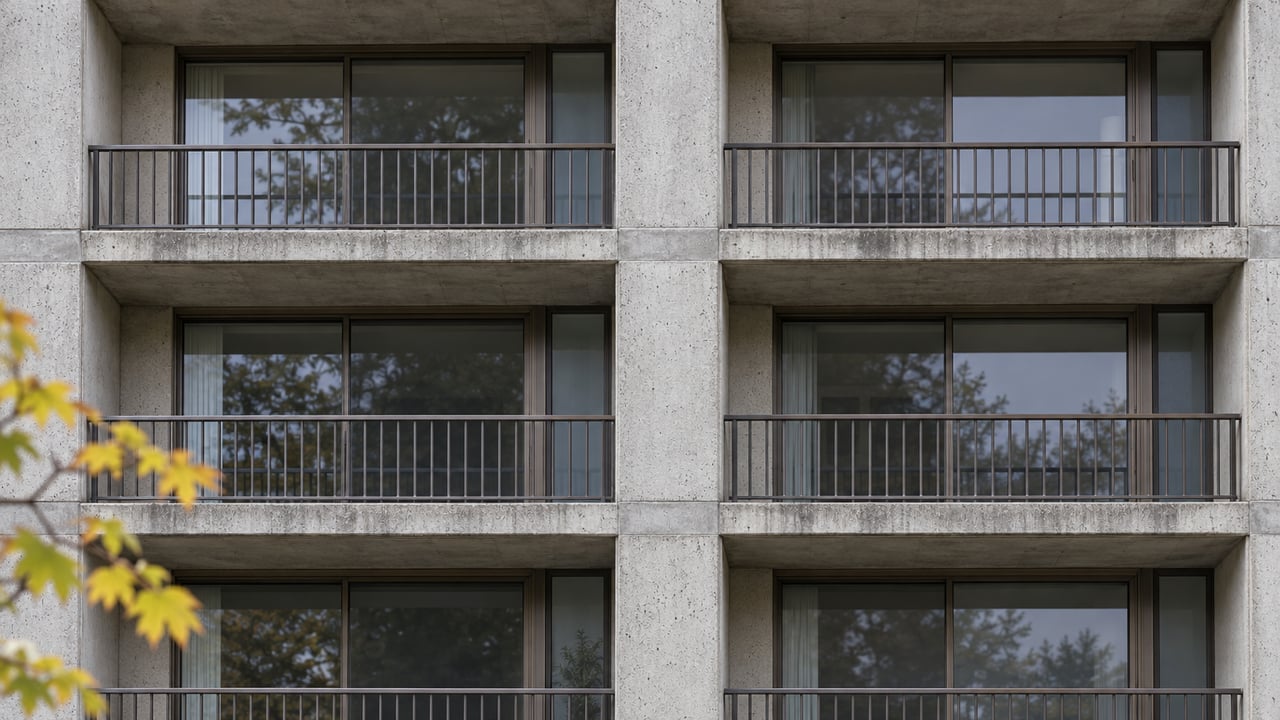
Bellevue's condo stock splits cleanly around the 2018 cutoff. Bellevue Towers, the twin 42 and 43-story towers at 10700 NE 4th Street, broke ground in 2006 and was completed in 2009, well before WUCIOA existed. Washington Square Towers, completed in 2008, and One Lincoln Tower, completed in 2006, fall on the same side of the line. All three were formed under the old Condominium Act and were never required to run a reserve study the way newer buildings are.
Compare that to the towers that opened after WUCIOA's effective date. One88, completed in 2020, and Avenue Bellevue, completed in 2022, were formed after July 1, 2018, so the reserve study requirement applied to them from day one. Mari Bellevue, a 20-story tower that opened in 2024, is in the same position. These buildings never had an exemption to lose.
| Building | Completed | Formed before July 1, 2018 | Reserve study requirement |
|---|---|---|---|
| One Lincoln Tower | 2006 | Yes | Optional until Jan. 1, 2026, mandatory now |
| Bellevue Towers | 2008–2009 | Yes | Optional until Jan. 1, 2026, mandatory now |
| Washington Square Towers | 2008 | Yes | Optional until Jan. 1, 2026, mandatory now |
| One88 | 2020 | No | Mandatory since formation |
| Avenue Bellevue | 2022 | No | Mandatory since formation |
| Mari Bellevue | 2024 | No | Mandatory since formation |
This is the part that catches sellers off guard. Age and reputation don't tell you anything about reserve study compliance. A well-known, well-run tower from the 2007 to 2011 development cycle can have a longer operating history than a five-year-old building and still be the one that just got a new legal obligation dropped on it.
If the association doesn't have a current one, the resale certificate has to say so, in language set by statute. The disclosure states plainly that the association lacks a current reserve study and that insufficient reserves may require the buyer to pay a special assessment for major repairs on demand.
That sentence lands in a buyer's hands during a period that already carries weight. Washington law gives buyers a review window on the resale certificate. A brand-new disclosure paragraph that a building's HOA has never had to include before is exactly the kind of thing that can turn a routine review into a renegotiation.
Lenders read the same document. Fannie Mae's project eligibility standards already require a minimum reserve contribution.
If your unit is in a building that was standing before July 2018, the reserve study conversation with your HOA board is worth having before you list, not after a buyer's lender asks about it.
A few questions worth putting to the board directly:
None of this means a pre-2018 building is a bad investment or a hard sell. Bellevue Towers, Washington Square, and One Lincoln Tower remain some of the most established addresses on the Eastside for a reason, and an association that has been quietly funding its reserves well for years may sail through this transition without a single change to its resale certificate. The point is that you no longer get to assume that. The only way to know where your building stands is to ask before a buyer's agent or lender does it for you.
Does this change apply to condo associations formed after July 1, 2018? No. Condo associations formed after WUCIOA's July 1, 2018 effective date were already required to maintain a reserve study. This change only reaches associations that were previously exempt because they were formed before that date.
Is a low HOA fee automatically a warning sign now? Not on its own. Some buildings run lean because they're well managed. The difference between disciplined management and a reserve account that's been underfunded for years is exactly what a current reserve study is supposed to show. A low fee with no recent study behind it is worth more scrutiny than a low fee with a well-documented funding plan.
What happens after this? January 1, 2026 was a phase-in, not the finish line. A separate law, ESSB 5796, is scheduled to fully absorb the older Condominium Act and Homeowners' Associations Act into WUCIOA by January 1, 2028. When that happens, the resale certificate requirements that currently apply only to buildings formed after 2018 will extend to every association in the state, including the ones just catching up on reserve studies now.
If you own a unit in one of Bellevue's established towers and you're thinking about listing in the next year, the reserve study question is worth settling before it shows up as a surprise on your own resale certificate. Linda Nelson can help you get the right questions in front of your HOA board early enough to matter, so the paperwork is working for your sale instead of slowing it down. Let's Connect.
This article is general information, not legal, tax or financial advice. Consult a qualified professional about your situation.
Experience dedicated support, thoughtful strategies, and expert guidance from consultation to closing and beyond.